DIY Backyard Chicken Run Setup
Highlighted under: Rustic Ideas
I’ve always dreamed of having fresh eggs in my backyard, and setting up a chicken run was the first step toward that goal. Creating a safe and spacious area for my chickens allowed me to keep them healthy and happy while enjoying the benefits of their companionship. I wanted to ensure that my chickens had plenty of space to roam and play while being protected from predators. I found that using affordable materials made it easier to create the perfect backyard setup without breaking the bank.
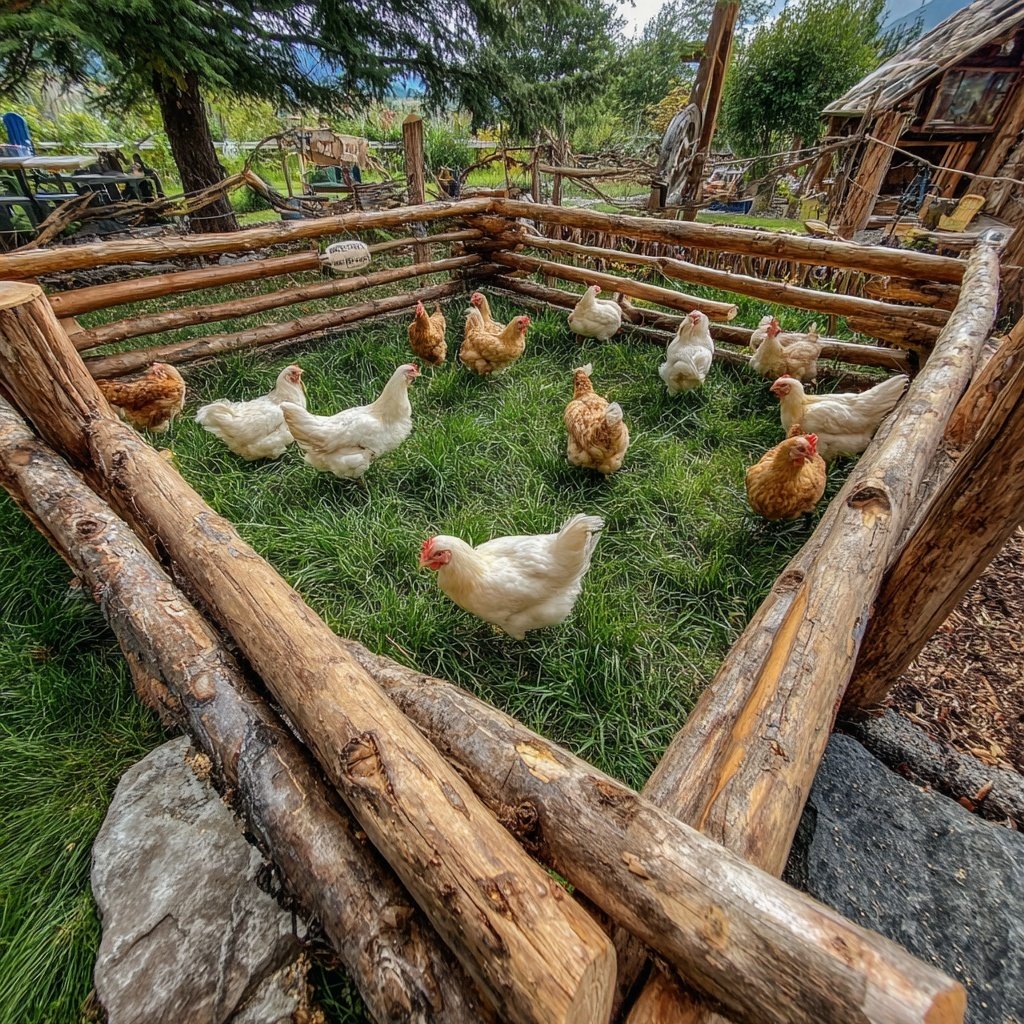
Creating my own backyard chicken run was an adventure that not only provided a space for my feathered friends but also transformed my outdoor area into a lively environment. I meticulously planned every detail, from the size of the run to the materials needed, ensuring that I created a safe haven for my chickens. I discovered that strong fencing is vital to keep potential predators at bay, allowing my chickens to enjoy their space without fear.
As I constructed the run, I realized how important it is to incorporate features like shade and water sources. Having a shaded area keeps my chickens cool during hot days, and adding a water feature encourages them to explore. It was rewarding to see them thriving in their new environment, and the process reminded me of the joy of nurturing life in my backyard.
Why You Will Love This Setup
- Easily customizable design to fit your yard's layout
- Provides a protective space for your chickens
- Encourages natural behaviors in chickens, keeping them healthy and active
Understanding Chicken Space Needs
Chickens thrive in environments where they can interact and perform natural behaviors. Ideally, each chicken should have a minimum of 10 square feet within the run. This space allows them room to scratch, sunbathe, and socialize without feeling cramped. If you are thinking of expanding your flock in the future, it's wise to plan for additional space now, which can save you the hassle of a complicated redesign later on.
In addition to square footage, consider vertical space as well. Chickens enjoy perching, so incorporating raised areas or platforms can greatly enhance their environment. I recommend building elevated perches using treated wood that can withstand the elements, giving your chickens a safe spot to roost away from ground predators.
Choosing the Right Materials
When selecting wire fencing, it's crucial to opt for welded chicken wire over lighter alternatives. This decision will significantly decrease the likelihood of foxes or raccoons breaking in. The gauge of the wire should be sturdy enough; a 14-gauge wire is usually adequate for a chicken run. Additionally, treating the wood used for the frame is essential to ensure longevity and resistance to rot. Look for pressure-treated lumber or naturally rot-resistant options like cedar or redwood.
Don't overlook the importance of secure gates. Invest in quality latches and hinges that can withstand the outdoor elements. A simple sliding bolt latch can provide peace of mind, but adding a padlock for added security during the night may be wise, especially if you live in a predator-prone area.
Maintenance and Safety Tips
Once your chicken run is set up, routine maintenance is essential for a healthy environment. Regularly check for damaged wire or loose nails that may pose a risk to your chickens. Inspect the fencing weekly; any area that is bent or pulled away should be repaired promptly to prevent escapes or predator access. Moreover, consider cleaning the run bi-weekly by removing waste and replacing bedding, which helps prevent health issues caused by damp conditions.
In the event of severe weather, having a removable roof option can protect your chickens from strong winds or falling debris. If your run is uncovered, make sure to provide temporary shelter. A simple tarp can work wonders in heavy rain or extreme heat, allowing your chickens to remain dry and comfortable, ensuring their overall well-being.
Materials Needed
Chicken Run Materials
- Wire fencing (preferably welded chicken wire)
- Wooden posts
- Latches and hinges for gates
- Treated wood for building the frame
- Hinged or removable roof (optional but recommended)
- Non-toxic paint or sealant (if you wish to decorate)
Safety Considerations
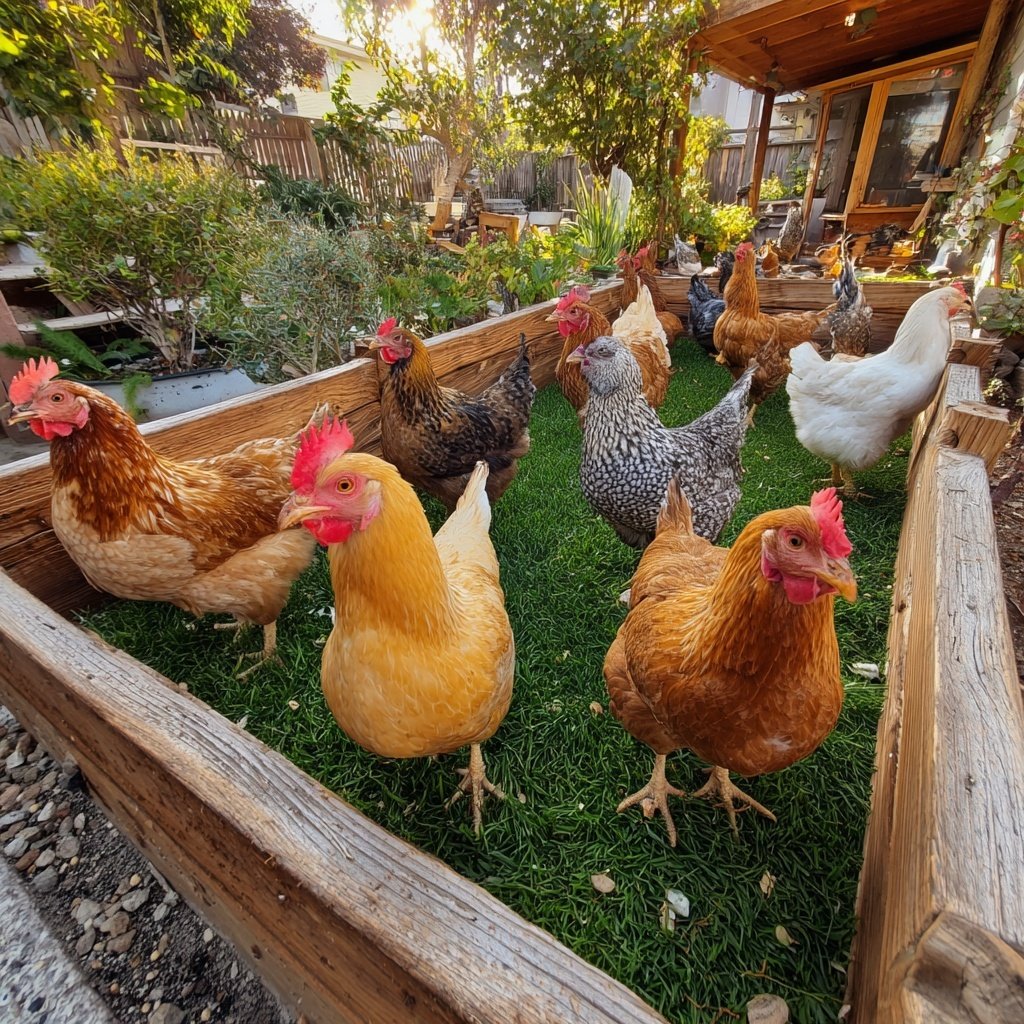
Steps to Build Your Chicken Run
Plan Your Space
Start by selecting a suitable location in your backyard that offers some shade and protection from wind. Measure the area to determine the size of your chicken run. Consider how many chickens you want to keep and ensure there’s ample space for them to roam.
Gather Your Materials
Collect all the materials listed in the ingredients section. Make sure the fencing is sturdy enough to prevent any predators from entering, and opt for treated wood to ensure durability.
Construct the Frame
Using your wooden posts, create a frame for the chicken run. Make sure the corners are secure and that the posts are firmly anchored into the ground. This will provide stability to the structure.
Install the Fencing
Attach the wire fencing to the wooden frame. Ensure there are no gaps for predators to squeeze through. It's best to bury the bottom of the fence a bit underground to prevent animals from digging under.
Add Features
Consider installing a roof if you live in an area with birds of prey. Add a water source and some shaded areas for your chickens to cool down. You can also integrate perches and dust bathing areas.
Final Check
Inspect your chicken run for any loose wires or potential escape routes. Make sure all latches and hinges are functioning well to keep your chickens safe.
Enjoy Your New Run!
Pro Tips
- Always monitor your chickens to ensure they are comfortable in their new home. Regular maintenance checks on the fencing and structure will keep your setup in top shape.
Enhancing Chicken Happiness
To create an enriching environment, consider adding natural elements like shrubs or herbs within the run. Not only do they serve as food sources, but they also encourage foraging behaviors. Plants such as mint, basil, or rosemary are excellent choices since they are safe for chickens and can even help deter pests.
Appropriate toys can also improve your chickens' quality of life. Rotating between different items like hanging cabbages or wooden blocks can keep them mentally stimulated, combatting boredom that might lead to pecking or other undesirable behaviors.
Common Troubleshooting Solutions
One common issue is chickens pecking at each other, often due to stress or overcrowding. If this happens, consider assessing your flock's space. If your current setup accommodates less than ten square feet per chicken, expanding your run may solve the problem. Moreover, introducing new chickens gradually can prevent them from becoming excessively territorial.
Additionally, always monitor the condition of your run's surface. If it becomes muddy or overly dusty, it may be time to add fresh bedding or clear out excess debris. A dry surface is crucial for maintaining health, as risk of foot problems can arise from wet or filthy conditions.
Questions About Recipes
→ How much space do chickens need in a run?
Chickens need a minimum of 10 square feet per bird in an outdoor run for them to be comfortable.
→ What type of flooring is best for a chicken run?
A natural dirt or grass floor is ideal, as it allows for dust bathing and foraging, which are essential for chicken health.
→ How can I predator-proof my chicken run?
Use strong wire fencing, bury the bottom of the fencing a few inches underground, and consider adding a roof to protect from aerial predators.
→ Can I leave chickens in the run all day?
Yes, as long as they have food, water, and adequate shelter from the elements. Make sure to let them out to free range occasionally for their health and happiness.
DIY Backyard Chicken Run Setup
Created by: Unity Caldwell
Recipe Type: Rustic Ideas
Skill Level: Beginner
Final Quantity: 1 Chicken Run
What You'll Need
Chicken Run Materials
- Wire fencing (preferably welded chicken wire)
- Wooden posts
- Latches and hinges for gates
- Treated wood for building the frame
- Hinged or removable roof (optional but recommended)
- Non-toxic paint or sealant (if you wish to decorate)
How-To Steps
Start by selecting a suitable location in your backyard that offers some shade and protection from wind. Measure the area to determine the size of your chicken run. Consider how many chickens you want to keep and ensure there’s ample space for them to roam.
Collect all the materials listed in the ingredients section. Make sure the fencing is sturdy enough to prevent any predators from entering, and opt for treated wood to ensure durability.
Using your wooden posts, create a frame for the chicken run. Make sure the corners are secure and that the posts are firmly anchored into the ground. This will provide stability to the structure.
Attach the wire fencing to the wooden frame. Ensure there are no gaps for predators to squeeze through. It's best to bury the bottom of the fence a bit underground to prevent animals from digging under.
Consider installing a roof if you live in an area with birds of prey. Add a water source and some shaded areas for your chickens to cool down. You can also integrate perches and dust bathing areas.
Inspect your chicken run for any loose wires or potential escape routes. Make sure all latches and hinges are functioning well to keep your chickens safe.
Extra Tips
- Always monitor your chickens to ensure they are comfortable in their new home. Regular maintenance checks on the fencing and structure will keep your setup in top shape.
Nutritional Breakdown (Per Serving)
- Calories: 0 kcal
- Total Fat: 0g
- Saturated Fat: 0g
- Cholesterol: 0mg
- Sodium: 0mg
- Total Carbohydrates: 0g
- Dietary Fiber: 0g
- Sugars: 0g
- Protein: 0g