Korean Bibimbap
Highlighted under: Inspired Ideas
Korean Bibimbap is a vibrant and flavorful rice dish topped with an array of vegetables, meat, and a fried egg, all mixed together with gochujang for a perfect balance of taste.
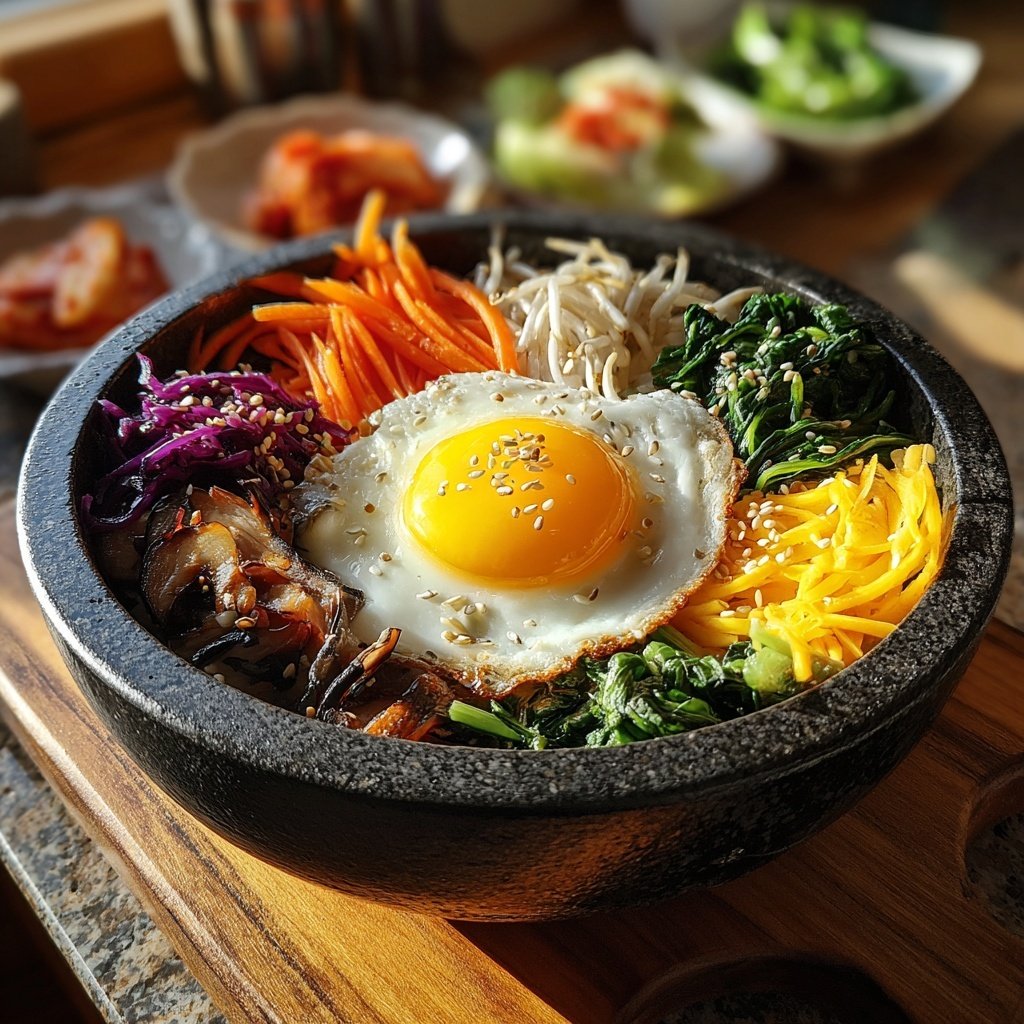
Korean Bibimbap is a beloved dish that originated from Korea, symbolizing harmony and balance. The combination of fresh vegetables, protein, and rice creates a nutritious and satisfying meal.
Why You'll Love This Recipe
- A colorful array of fresh vegetables for a healthy meal
- Customizable with your choice of proteins
- Exciting flavors from gochujang and sesame oil
A Colorful Palette of Nutrition
Korean Bibimbap is not just a feast for the eyes; it is also a powerhouse of nutrition. This dish is loaded with a variety of fresh vegetables, each contributing unique vitamins and minerals. Spinach is rich in iron and calcium, while carrots provide a good dose of beta-carotene, essential for eye health. The combination of these vibrant ingredients creates a well-rounded meal that nourishes both body and soul.
In addition to the vegetables, the protein source in your bibimbap can be tailored to meet your dietary needs. Whether you opt for ground beef or tofu, each choice offers its own set of health benefits. Ground beef provides essential amino acids and is a good source of iron, while tofu offers plant-based protein and is low in calories. This flexibility makes bibimbap a great option for everyone.
The Magic of Gochujang
One of the standout ingredients in Korean Bibimbap is gochujang, a traditional Korean chili paste that adds depth and a hint of sweetness to the dish. Made from fermented soybeans, this spicy condiment not only enhances flavor but also adds a dose of probiotics, which are beneficial for gut health. The umami-rich flavor of gochujang elevates the entire dish, making every bite a delightful experience.
Gochujang can be adjusted according to your heat preference, making it accessible for all palates. For those who enjoy a milder flavor, a smaller amount can be used, or it can be paired with additional sesame oil to balance the heat. Experimenting with the amount of gochujang allows you to personalize your bibimbap to suit your taste perfectly.
A Meal for Any Occasion
Korean Bibimbap is incredibly versatile, making it suitable for any occasion. Whether you're preparing a cozy dinner at home, hosting a gathering with friends, or looking for a quick lunch option, this dish fits the bill. The colorful presentation and the interactive nature of mixing the ingredients together create a fun dining experience that everyone will enjoy.
Additionally, bibimbap can be made ahead of time, with all components stored separately in the refrigerator. This means you can whip up a delicious meal in no time during busy weekdays or serve it at a party without the stress of last-minute preparations. It's a practical choice that doesn't compromise on flavor or nutrition.
Ingredients
Gather these ingredients to prepare your delicious Korean Bibimbap:
Ingredients
- 2 cups cooked rice
- 1 cup spinach, blanched
- 1 cup bean sprouts, blanched
- 1 carrot, julienned
- 1 zucchini, julienned
- 1 cup shiitake mushrooms, sliced
- 200g ground beef or tofu
- 4 eggs
- 2 tablespoons gochujang
- 2 tablespoons sesame oil
- Salt and pepper to taste
- Sesame seeds for garnish
Make sure to have all these ingredients ready for the best experience!
Instructions
Follow these steps to create your Korean Bibimbap:
Prepare the Ingredients
Start by cooking the rice according to package instructions. While the rice is cooking, prepare the vegetables and protein.
Cook the Protein
In a skillet, heat sesame oil over medium heat. Add the ground beef or tofu, season with salt and pepper, and cook until fully cooked. Set aside.
Sauté the Vegetables
In the same skillet, sauté the shiitake mushrooms, carrots, and zucchini until tender. Season lightly with salt.
Fry the Eggs
In a separate pan, fry the eggs sunny-side up until the whites are set but the yolks are still runny.
Assemble the Bibimbap
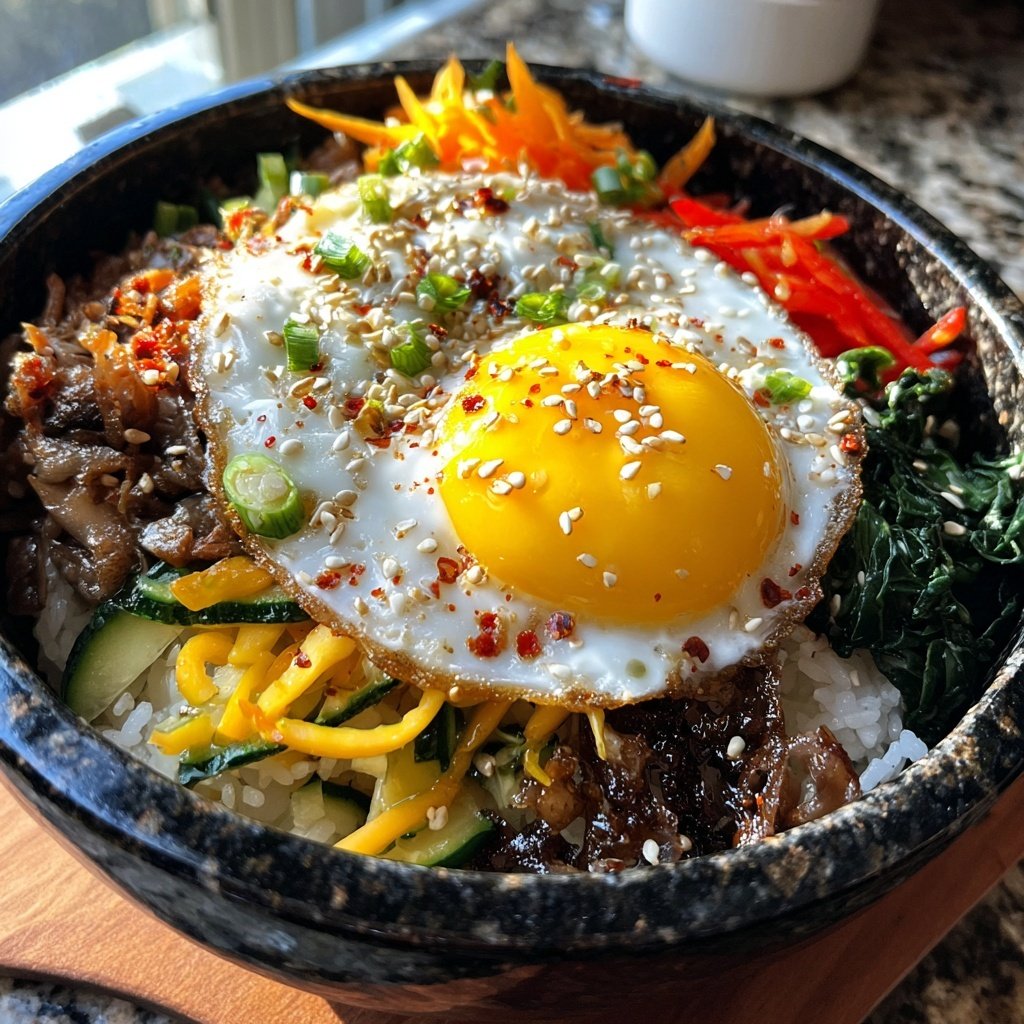
In bowls, place a serving of rice at the bottom. Arrange the blanched spinach, bean sprouts, cooked protein, sautéed vegetables, and fried egg on top. Drizzle with gochujang and sprinkle with sesame seeds.
Mix and Enjoy
Before eating, mix all the ingredients together in the bowl. Enjoy your delicious Korean Bibimbap!
Enjoy your meal and the delightful flavors of Korean Bibimbap!
Pro Tips
- For a vegetarian version, substitute the beef with tofu and add more vegetables of your choice.
Tips for Perfect Bibimbap
To achieve the best texture for your vegetables, be sure not to overcook them. Sautéing them just until tender preserves their crunch and vibrant color, enhancing the overall aesthetic appeal of your bibimbap. If you're short on time, you can also use pre-packaged, ready-to-eat vegetables, which can save you prep time without sacrificing flavor.
When it comes to rice, using short-grain rice is traditional for bibimbap, as it clings together nicely and provides a satisfying bite. If you're looking for a healthier alternative, brown rice or quinoa can also be used. Just be sure to adjust the cooking times accordingly for these grains to ensure they are fluffy and cooked through.
Serving Suggestions
For an authentic touch, serve your bibimbap in a hot stone bowl, known as 'dol sot'. This method not only keeps your dish warm but also creates a delicious crispy rice layer at the bottom, adding texture to each bite. If you don’t have a stone bowl, a regular bowl works just fine; just ensure to serve it hot to enjoy the flavors fully.
Pair your bibimbap with traditional Korean sides, known as banchan, such as kimchi or pickled radish. These sides add an extra layer of flavor and make for a more complete meal. Plus, the tangy and spicy notes of kimchi complement the rich flavors of bibimbap beautifully, creating a delightful culinary harmony.
Questions About Recipes
→ Can I make Bibimbap vegan?
Yes, simply substitute the beef with tofu or tempeh and skip the egg.
→ What can I serve with Bibimbap?
Bibimbap is often served with kimchi and pickled vegetables for added flavor.
→ How do I store leftovers?
Store leftovers in an airtight container in the refrigerator for up to 3 days.
→ Can I use different vegetables?
Absolutely! Feel free to use any vegetables you have on hand, like bell peppers or broccoli.
Korean Bibimbap
Created by: Unity Caldwell
Recipe Type: Inspired Ideas
Skill Level: Intermediate
Final Quantity: 4 servings
What You'll Need
Ingredients
- 2 cups cooked rice
- 1 cup spinach, blanched
- 1 cup bean sprouts, blanched
- 1 carrot, julienned
- 1 zucchini, julienned
- 1 cup shiitake mushrooms, sliced
- 200g ground beef or tofu
- 4 eggs
- 2 tablespoons gochujang
- 2 tablespoons sesame oil
- Salt and pepper to taste
- Sesame seeds for garnish
How-To Steps
Start by cooking the rice according to package instructions. While the rice is cooking, prepare the vegetables and protein.
In a skillet, heat sesame oil over medium heat. Add the ground beef or tofu, season with salt and pepper, and cook until fully cooked. Set aside.
In the same skillet, sauté the shiitake mushrooms, carrots, and zucchini until tender. Season lightly with salt.
In a separate pan, fry the eggs sunny-side up until the whites are set but the yolks are still runny.
In bowls, place a serving of rice at the bottom. Arrange the blanched spinach, bean sprouts, cooked protein, sautéed vegetables, and fried egg on top. Drizzle with gochujang and sprinkle with sesame seeds.
Before eating, mix all the ingredients together in the bowl. Enjoy your delicious Korean Bibimbap!
Extra Tips
- For a vegetarian version, substitute the beef with tofu and add more vegetables of your choice.
Nutritional Breakdown (Per Serving)
- Calories: 550 kcal
- Total Fat: 22g
- Saturated Fat: 5g
- Cholesterol: 210mg
- Sodium: 600mg
- Total Carbohydrates: 75g
- Dietary Fiber: 6g
- Sugars: 4g
- Protein: 20g