Small Backyard Chicken Run Plan
Highlighted under: Rustic Ideas
I'm excited to share my plan for a small backyard chicken run that I've carefully crafted. Keeping chickens has become a rewarding experience for me, allowing me to enjoy fresh eggs right from my backyard. This simple design not only keeps my chickens safe but also provides them with enough space to roam. I aimed to create a balance between practicality and comfort for my feathered friends, ensuring they have a cozy space while also being easy to maintain.
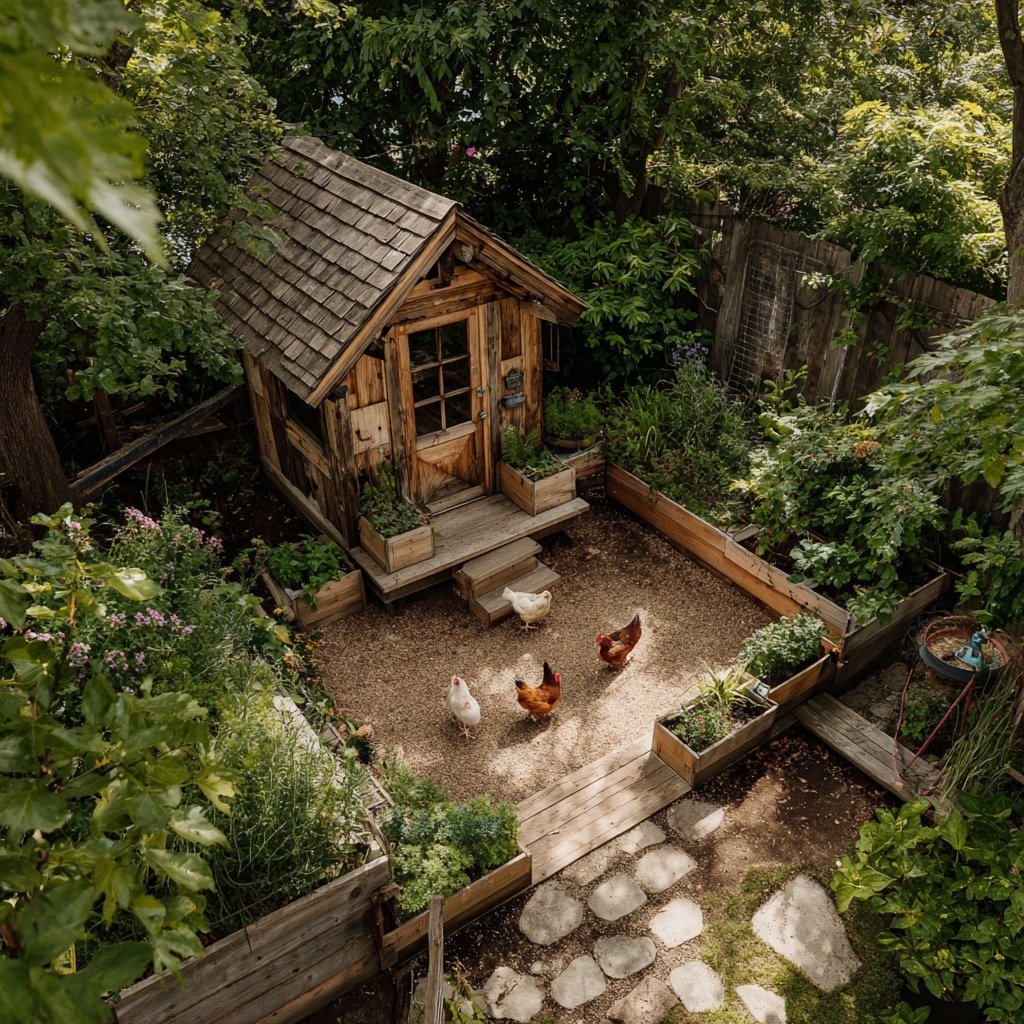
When I first considered raising chickens, I had no idea where to start. After countless hours of research and looking at various chicken run designs, I decided to build a small one that would suit my backyard perfectly. This plan is based on my own trial-and-error experience, ensuring both safety for the chickens and ease of accessibility for me. The end result is a cozy little haven for my ladies!
One significant tip I learned during this journey is to factor in the location of the run. Placing it partially in shade helps protect the chickens from overheating during summer. I also added a simple fence around the perimeter to safeguard them from predators. It’s rewarding to see them thrive, and I’m excited to share this plan with you!
Why You'll Love This Backyard Chicken Run Plan
- Simple design that suits any backyard size
- Encourages natural behaviors in chickens
- Easy to clean and maintain
Design Considerations for Your Chicken Run
When planning your chicken run, it's essential to consider the space needed for your chickens to thrive. A general rule is to provide at least 10 square feet of outdoor space per chicken. This allows them to engage in natural behaviors such as pecking, scratching, and dust bathing. I've found that adding vertical elements, like perches and ramps, can further enhance their environment while making the most of a smaller yard.
Additionally, think about the materials you'll use for constructing the run. Chicken wire is a popular choice due to its affordability and availability, but consider using hardware cloth for the lower sections to prevent predators from digging in. Make sure the structure is sturdy enough to withstand harsh weather conditions; I've reinforced mine with wooden frames, which have proven to be durable and effective in protecting my chickens.
Creating a Comfortable Environment
To ensure your chickens are comfortable, provide shaded areas within the run, especially during hot summer months. You might include a small, lightweight tarp or provide natural shade with plants. If your run gets lots of sunlight, consider placing their water source in the shade, so it stays cool and fresh throughout the day. Regularly changing their water is crucial for their hydration and overall health.
Moreover, think about adding soft bedding material, like straw or wood chips, to create a cozy atmosphere. This not only makes it easier for your chickens to nest but also aids in drainage and absorbs waste. I recommend changing out their bedding weekly to keep it clean and reduce odors. If you're short on time, consider a deeper litter method, allowing you to change it less frequently while still maintaining a healthy environment.
Maintenance Tips for Longevity
Maintaining your chicken run is crucial for the health of your flock. Regular cleaning is necessary to prevent the buildup of waste and pests. Plan to do a thorough clean every couple of weeks, which includes removing bedding and scrubbing down surfaces with a mild detergent and water. After cleaning, apply a natural disinfectant, like vinegar or essential oils, to keep bacteria at bay without harsh chemicals.
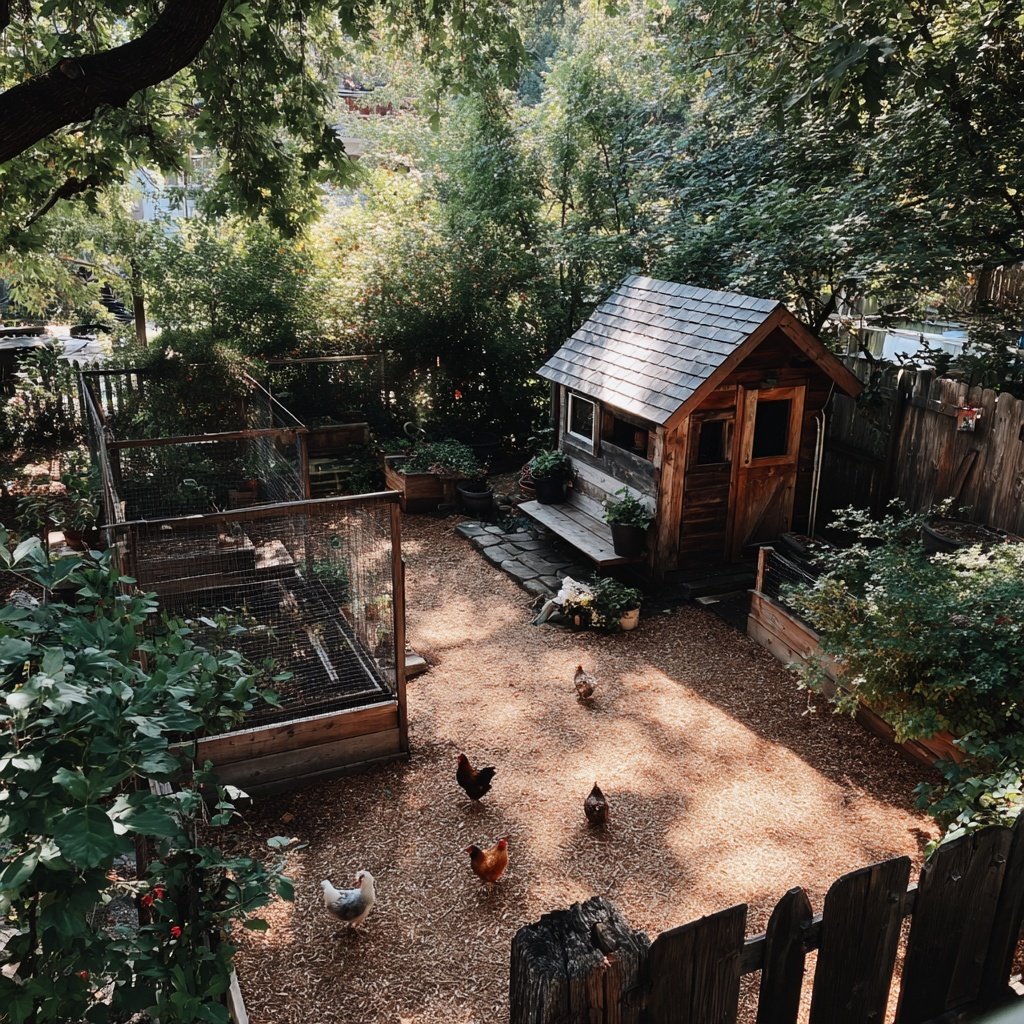
Be vigilant for any signs of wear or damage in your run. Inspect the fencing and structure monthly to identify potential weak spots that could compromise safety. It's a good idea to keep a few replacement materials on hand, such as extra wire or wood, so repairs can be made quickly. In my experience, setting a routine maintenance schedule helped keep my run in excellent condition, ensuring my chickens remain healthy and secure.
Pro Tips
- Ensure to use sturdy materials that can withstand weather conditions. Regularly check for any signs of wear and tear to maintain safety.
Feeding and Care for Happy Chickens
While designing your chicken run is important, also consider their needs regarding food and water. Providing a balanced diet with high-quality feed and access to fresh greens is crucial. You might even consider growing a small garden nearby to supplement their diet with veggies and herbs. Chickens enjoy foraging, which can help reduce food costs while keeping them mentally stimulated.
Don't forget to provide grit in a separate feeder, especially if they don't have access to natural sources. Grit assists in digestion by helping them break down food in their gizzards. I usually keep grit available in a small dish so they can have access whenever they feel the need.
Building Your Run: Tools and Materials
When you're ready to construct your chicken run, having the right tools on hand can streamline the process. Key items include a hammer, saw, drill, and wire cutters. If you’re working with wood, I recommend using weather-resistant lumber to ensure longevity, especially if exposed to the elements. Having a level handy can help you ensure your structure is stable and secure.
As for materials, beyond chicken wire, look for untreated wood and possibly a tarp for roofing. This approach protects your chickens from rain while allowing sunlight to enter. If you're in a snowy area, giving your roof a slight pitch can help prevent snow buildup, which could compromise the structure. Planning for all these details upfront will result in a stable and functional chicken run.
Questions About Recipes
→ How much space do I need for a small chicken run?
A space of at least 4 square feet per chicken is recommended to keep them comfortable.
→ What materials should I use to build the chicken run?
Using treated wood, chicken wire, and durable roofing materials are key for safety and longevity.
→ How do I protect my chickens from predators?
Ensure your chicken run has a secure top and strong fencing around the perimeter to deter animals.
→ How often should I clean the chicken run?
It's best to clean the run weekly to maintain hygiene and prevent the buildup of waste.
Small Backyard Chicken Run Plan
Extra Tips
- Ensure to use sturdy materials that can withstand weather conditions. Regularly check for any signs of wear and tear to maintain safety.